
 We are now on WhatsApp Channel. Click to join We are now on WhatsApp Channel. Click to join |
COE prices mostly drop in Dec 2025’s first bidding round
The latest Certificate of Entitlement (COE) results for Dec 2025’s first bidding exercise were released at 4:00 PM on 3 Dec 2025. Compared to the 2nd bidding exercise of Nov 2025, premiums drop across most categories, offering some relief to motorists in Singapore even though absolute prices remain elevated.
COE results at a glance
Here is the official breakdown for Dec 2025’s first bidding exercise, compared with the 2nd bidding exercise of Nov 2025:
| Category | Previous COE ($) | New COE ($) | Difference ($) | |
|---|---|---|---|---|
| A | (Cars ≤ 1,600cc & ≤ 97kW) | 109,000 | 105,413 | -3,587 |
| B | (Cars > 1,600cc or > 97kW) | 129,890 | 123,900 | -5,990 |
| C | Goods Vehicles & Buses | 76,389 | 76,501 | +112 |
| D | Motorcycles | 8,729 | 8,289 | -440 |
| E | Open Category (Excl. Motorcycles) | 125,001 | 123,000 | -2,001 |
Key movements by category:
- Category A (cars ≤ 1,600cc & ≤ 97kW) dips from $109,000 to $105,413, a decrease of $3,587.
- Category B (larger or more powerful cars, above 1,600cc or 97kW) falls from $129,890 to $123,900, a sizeable drop of $5,990.
- Category C (goods vehicles and buses) edges up slightly from $76,389 to $76,501, an increase of $112.
- Category D (motorcycles) declines from $8,729 to $8,289, down by $440, which may be welcomed by riders and delivery partners.
- Category E, the open category (excluding motorcycles), eases from $125,001 to $123,000, a reduction of $2,001.
Overall, four out of five categories see premiums falling, with only goods vehicles and buses experiencing a modest increase.
What each COE category covers
Category A is reserved for cars with engine capacities up to 1,600cc and output not exceeding 97kW (130bhp). This category also covers electric vehicles (EVs) up to 110kW (147bhp), so many mass-market family cars and smaller EV models typically fall here.
Category B comprises vehicles with larger engines or higher power – over 1,600cc or above 97kW – including EVs beyond 110kW. Premium, luxury and performance-oriented models are usually registered under this category.
Category C includes goods vehicles and buses, commonly used in commercial and logistics fleets. Shifts in this category can affect operating costs for delivery companies, public transport operators and small businesses that rely on vans and lorries.
Category D is specifically for motorcycles, and often reflects demand among delivery riders, private-hire riders and cost-conscious commuters who prefer two-wheelers to manage parking and congestion.
Category E, the open category, can be used for any vehicle type (excluding motorcycles), and is typically used by bidders seeking flexibility or targeting premium models. Dealers also often bid in this category to secure flexibility for future vehicle registrations.
What the latest results may mean for motorists
The latest results suggest that demand has eased slightly in most segments between the 2nd bidding exercise of Nov 2025 and Dec 2025’s first bidding exercise.
- Mass-market car buyers may see the Category A dip as a small window to lock in a COE if they have already shortlisted a vehicle and arranged financing.
- Buyers of larger or more powerful cars in Category B enjoy one of the larger reductions this round, which can translate to meaningful savings on the total on-the-road price.
- Business owners and logistics operators face slightly higher costs in Category C, so they may need to review fleet renewal timelines and budgets.
- Motorcyclists and delivery riders benefit from the lower Category D premium, which can help offset other running costs such as fuel, maintenance and insurance.
As always, individual buyers and businesses should consider their own budgets, vehicle needs and timing, rather than rushing in solely because premiums have moved in one exercise.
Practical tips when planning a vehicle purchase
- Monitor COE movements across several bidding exercises instead of focusing on a single result, as premiums can be volatile.
- Work out the total cost of ownership, including road tax, insurance, maintenance, parking and fuel or charging costs, not just the COE premium.
- Discuss loan options with financial institutions early so that approval and paperwork are ready before bidding.
- Consider alternative segments (for example, Category A instead of Category B, or motorcycles instead of cars) if they meet transport needs more economically.
- For businesses, plan fleet renewal over multiple bidding exercises to spread risk and avoid concentrated exposure to any one round.
Stay updated
Motorists, businesses and riders who want to keep track of COE movements and quotas can refer to these official resources for reliable, up-to-date information:
- LTA statistics page (quota details, statistics and publications on the vehicle population).
- OneMotoring COE Open Bidding portal (live bidding information and results during each exercise).
These resources allow motorists to check quota changes, follow live bidding and better time their vehicle purchase or COE renewal decisions. 😊
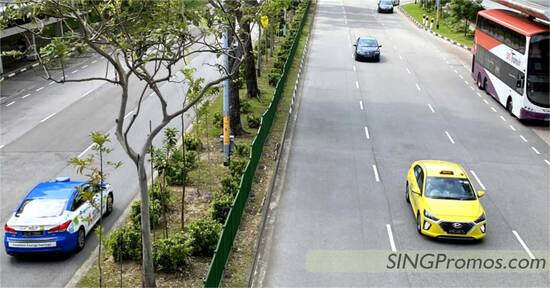
Dec 2025’s first bidding exercise shows that COE premiums mostly drop compared to the 2nd bidding exercise of Nov 2025, with only Category C recording a slight increase. While the reductions may not completely remove affordability concerns, they provide some breathing space for motorists, riders and businesses making big-ticket decisions. By staying informed, planning finances carefully and monitoring upcoming exercises, vehicle owners in Singapore can better navigate the COE system and make choices that fit their long-term needs.





Leave a Reply